How Integration of Virtual Reality Technologies is Reshaping Spectator Involvement in Tennis Wagering Activities
Sage Müller · Aug 24, 2026
How Integration of Virtual Reality Technologies is Reshaping Spectator Involvement in Tennis Wagering Activities
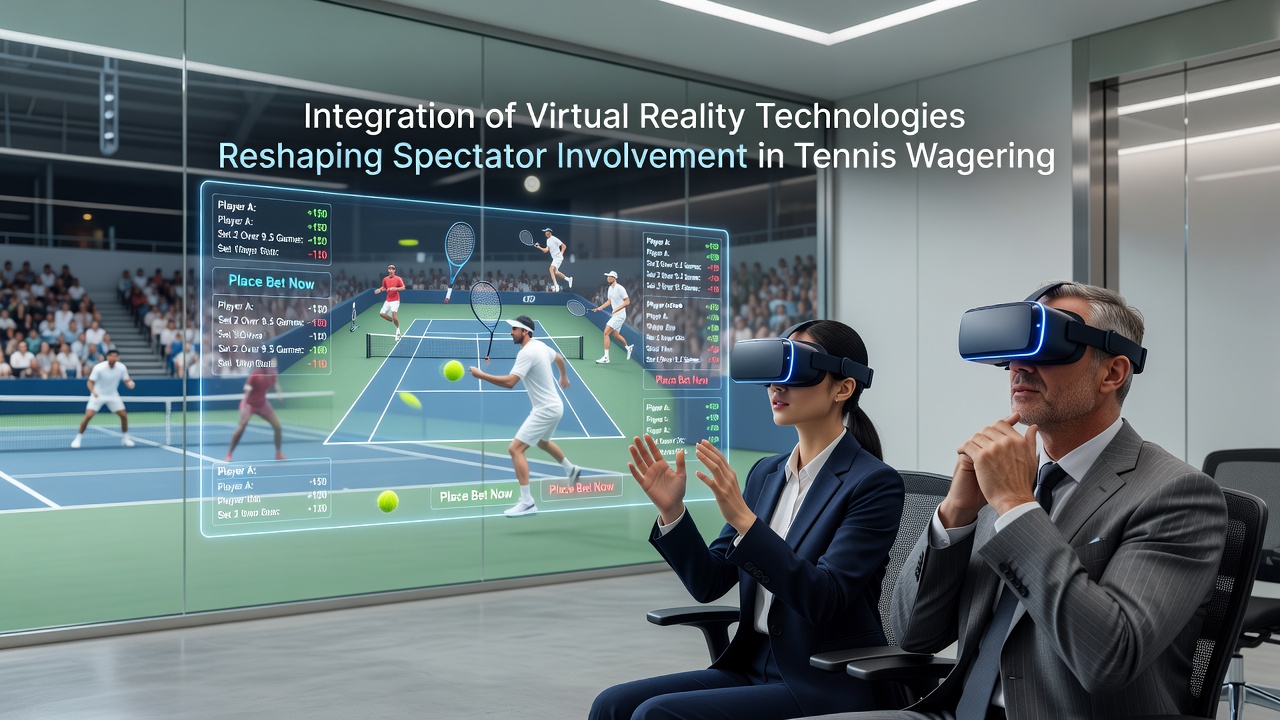
Virtual reality platforms now deliver 360-degree courtside perspectives that allow bettors to observe ball trajectories and player movements from multiple angles during live tennis events, and this shift has expanded how spectators interact with wagering interfaces while matches unfold. Observers note that headset users can toggle between real-time statistics panels and interactive odds displays without leaving the simulated environment, which connects viewing immersion directly to betting decisions in ways traditional screens never achieved.
Current Adoption Patterns in Major Tournaments
Research from industry reports indicates that VR adoption among tennis spectators grew steadily through 2025, with platform providers reporting increased session durations when live betting features integrated into headsets. Data shows participants who accessed VR streams during Grand Slam events placed wagers at higher frequencies because virtual overlays presented match statistics alongside betting markets in a single visual field. Those who studied viewer logs found that average engagement times extended when users switched between player close-ups and court-wide views while adjusting stake amounts on the fly.
But here's the thing, the technology reached broader availability by summer 2026 when several equipment manufacturers lowered headset prices, which encouraged more casual fans to experiment with tennis-specific VR applications. Figures reveal that Australian users accounted for a notable share of new sign-ups during the Australian Open period, while European markets saw parallel growth during clay-court seasons. What's interesting is how these patterns aligned with updates to remote betting regulations in multiple jurisdictions that permitted VR environments to host licensed wagering tools.
Technical Features Driving Spectator Participation
Engineers designed tennis VR systems to synchronize broadcast feeds with betting APIs, so odds updated instantly as points concluded and users received haptic feedback through controllers when confirming bets. This setup lets spectators remain inside the virtual arena instead of switching apps or devices, and studies from research institutions documented measurable increases in wager volume during sets that featured extended rallies. People who've tried the systems often discover that spatial audio cues help them anticipate momentum shifts, which in turn influences timing of live bets on games and sets.

Yet the core appeal remains the ability to occupy virtual seats that replicate premium locations, complete with crowd simulations that react to match developments. Academic papers published in 2025 examined how these elements heighten emotional investment, leading users to monitor additional statistical categories that feed into betting strategies. Data indicates that multi-angle replays accessible within VR sessions correlate with more informed decisions on prop bets involving ace counts or break-point conversions.
Market Data and Regional Developments Through August 2026
Industry organizations tracking global gaming trends reported that VR-enabled tennis betting sessions increased across North American platforms following partnerships between content providers and betting operators. According to analyses from the Nevada Gaming Control Board, operators recorded higher handle amounts on tennis events when VR viewing options accompanied standard streams. Similar patterns emerged in Canadian provinces where regulators approved expanded testing of immersive interfaces during summer tournaments.
Turns out European markets followed suit after the European Gaming and Betting Association released guidelines clarifying how VR environments could maintain compliance with existing licensing frameworks. Those guidelines addressed data security and age verification protocols, which allowed providers to scale offerings without additional hurdles. Observers note that by August 2026 several major tennis events featured dedicated VR broadcast packages that bundled viewing rights with access to in-environment betting terminals.
Conclusion
Integration of virtual reality continues to alter how spectators approach tennis wagering by merging immersive visuals with immediate betting functions, and available statistics demonstrate measurable shifts in participation rates across regions that have authorized such platforms. Researchers continue to examine long-term effects on user behavior as hardware improves and more events adopt compatible broadcast standards, while regulatory bodies maintain oversight to ensure responsible implementation across different markets.