Analyzing Platform Interface Layouts and Their Influence on Bonus Claim Behaviors During Live Football and Tennis Events
Nils Schmid · Sep 11, 2026
Analyzing Platform Interface Layouts and Their Influence on Bonus Claim Behaviors During Live Football and Tennis Events
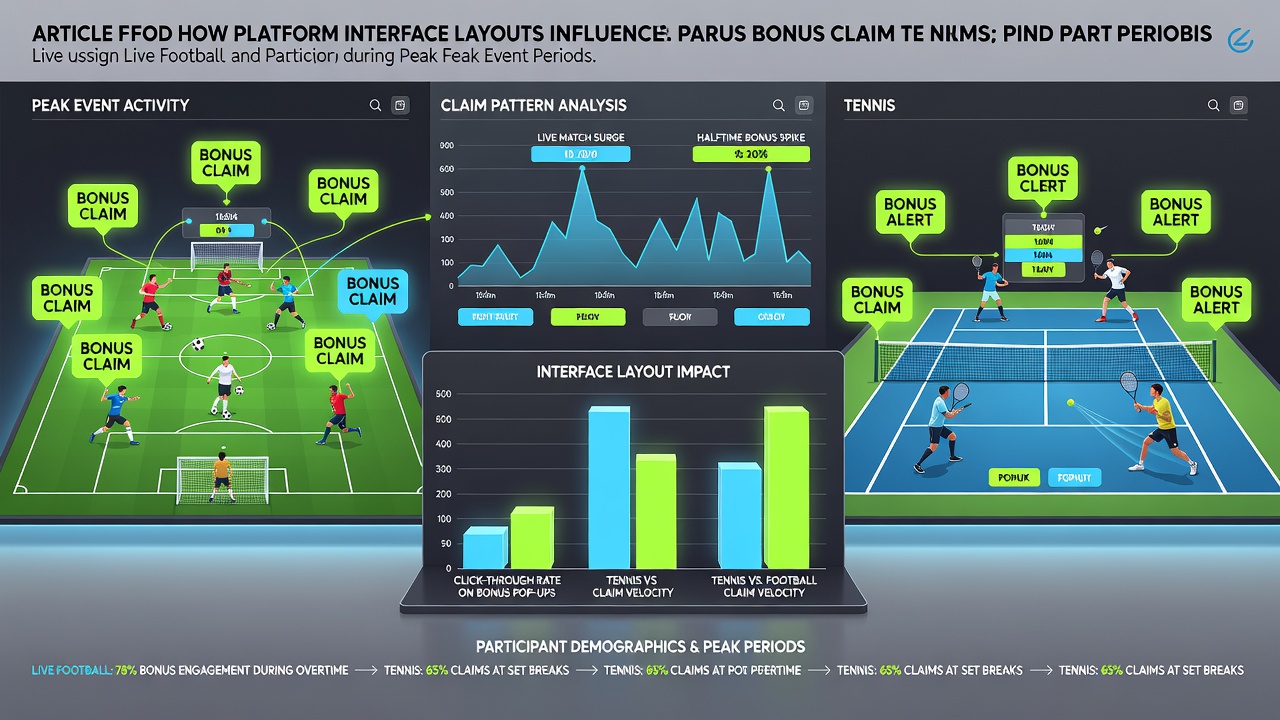
Platform designers arrange navigation bars, pop-up notifications, and claim buttons in specific sequences that guide participants toward bonus activation during high-traffic moments such as live football matches and tennis sets. Data collected across multiple operators reveals that users encounter these elements at rates tied directly to screen real estate allocation and color contrast choices. Observers note consistent differences in completion rates when interfaces place bonus prompts within the primary betting slip area versus secondary menus.
Core Layout Components and User Pathways
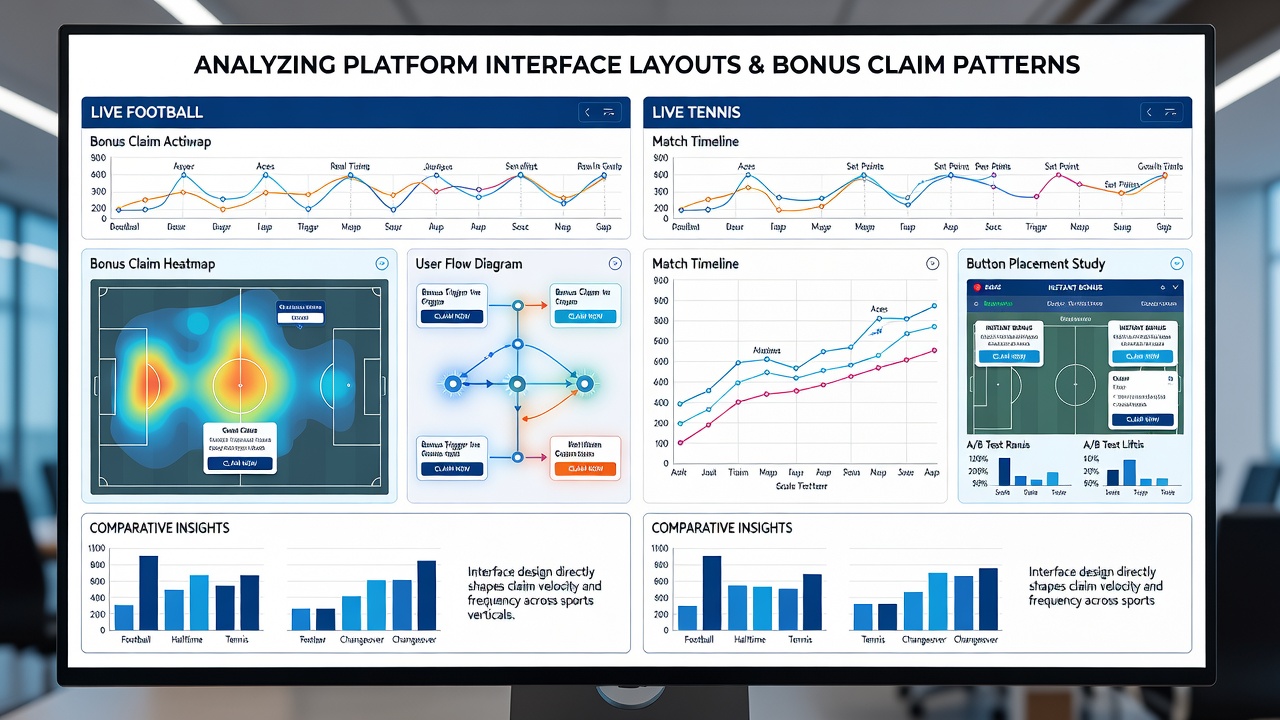
Live betting screens typically feature a central odds grid flanked by side panels that display promotional offers, while tennis platforms often prioritize point-by-point updates alongside quick-claim banners. Researchers tracking interaction logs report that football participants complete bonus sequences faster when the claim function sits adjacent to in-play markets rather than requiring additional taps to reach a dedicated promotions tab. Tennis sessions show similar patterns during extended rallies where interfaces collapse multiple controls into single-view overlays.
Heatmap analyses from session recordings indicate that eye movement follows a top-to-bottom and left-to-right priority on most mobile layouts. Operators who position bonus timers at the upper viewport edge record higher activation numbers during peak minutes of major tournaments. Desktop versions maintain wider sidebars that allow persistent visibility of remaining claim windows without disrupting the main event feed.
Patterns Observed in Football and Tennis Markets
Football live markets generate rapid volume spikes around goals and substitutions, periods when interface elements that auto-expand bonus offers capture greater engagement than static placements. Studies of wager flows demonstrate that participants using simplified claim flows finish the process in fewer steps compared with those navigating layered menus. Tennis events produce steadier claim distributions across sets because match durations allow repeated exposure to the same layout prompts.
Figures from aggregated platform telemetry show that bonus claims cluster within the first thirty seconds after a score change in football while tennis claims spread more evenly across game breaks. Interface variants that include progress indicators within the bonus module correlate with elevated completion percentages across both sports. Those who have examined cross-device data find tablet users respond differently to horizontal scrolling layouts than smartphone users who encounter vertical stacks.
September 2026 Event Context and Traffic Dynamics
During September 2026 the overlap of early European football fixtures and late-season tennis circuits created sustained high-traffic windows across betting platforms. Regulatory filings from the Australian Communications and Media Authority document elevated session lengths during these overlapping schedules, particularly when operators adjusted layout priorities to highlight time-limited offers. Australian interactive gambling reports record measurable shifts in claim timing linked to interface prominence rather than offer value alone.
Academic teams at institutions such as the University of Nevada Reno have compiled comparative datasets showing that football interfaces featuring floating action buttons achieve faster bonus uptake than fixed footer placements. Tennis layouts that integrate claim options directly into score trackers produce steadier participation curves. These observations hold across both regulated and emerging markets where device penetration rates differ.
Design Variations and Measured Outcomes
Operators experiment with A/B tests that alter button size, background opacity, and animation timing to measure effects on claim sequences. Results indicate that interfaces reducing cognitive load through single-tap confirmation generate higher volumes during live football peaks than those requiring form completion. Tennis participants exhibit stronger responses to interfaces that maintain visual continuity between score updates and promotional elements.
Industry analyses from the European Gaming and Betting Association track how regional preferences influence layout effectiveness, with northern European users favoring minimalist designs and southern markets responding to denser information displays. EGBA interface research notes that these differences appear most pronounced during simultaneous live events across multiple sports.
Conclusion
Interface layout decisions directly correlate with observed bonus claim sequences in live football and tennis environments. Data compiled through session tracking, regulatory submissions, and academic review establish measurable relationships between element placement and activation timing. Continued monitoring of September 2026 patterns and beyond supplies operators with evidence for refining designs that align with documented participant pathways across both sports.